Everything about Cooling And Heating: Identifying Common Issues and Effective Air Conditioning Repair Approaches
HVAC systems are essential for keeping interior convenience. Comprehending their elements and functionality is vital for recognizing common issues. Homeowners often face troubles such as ineffective air conditioning, weird odors, or climbing power prices. These indications can indicate underlying concerns that might require focus. Checking out do it yourself troubleshooting techniques can be valuable, yet knowing when to seek expert aid is equally vital. What actions can be taken to assure lasting efficiency?
Recognizing Your A/c System: Components and Capability
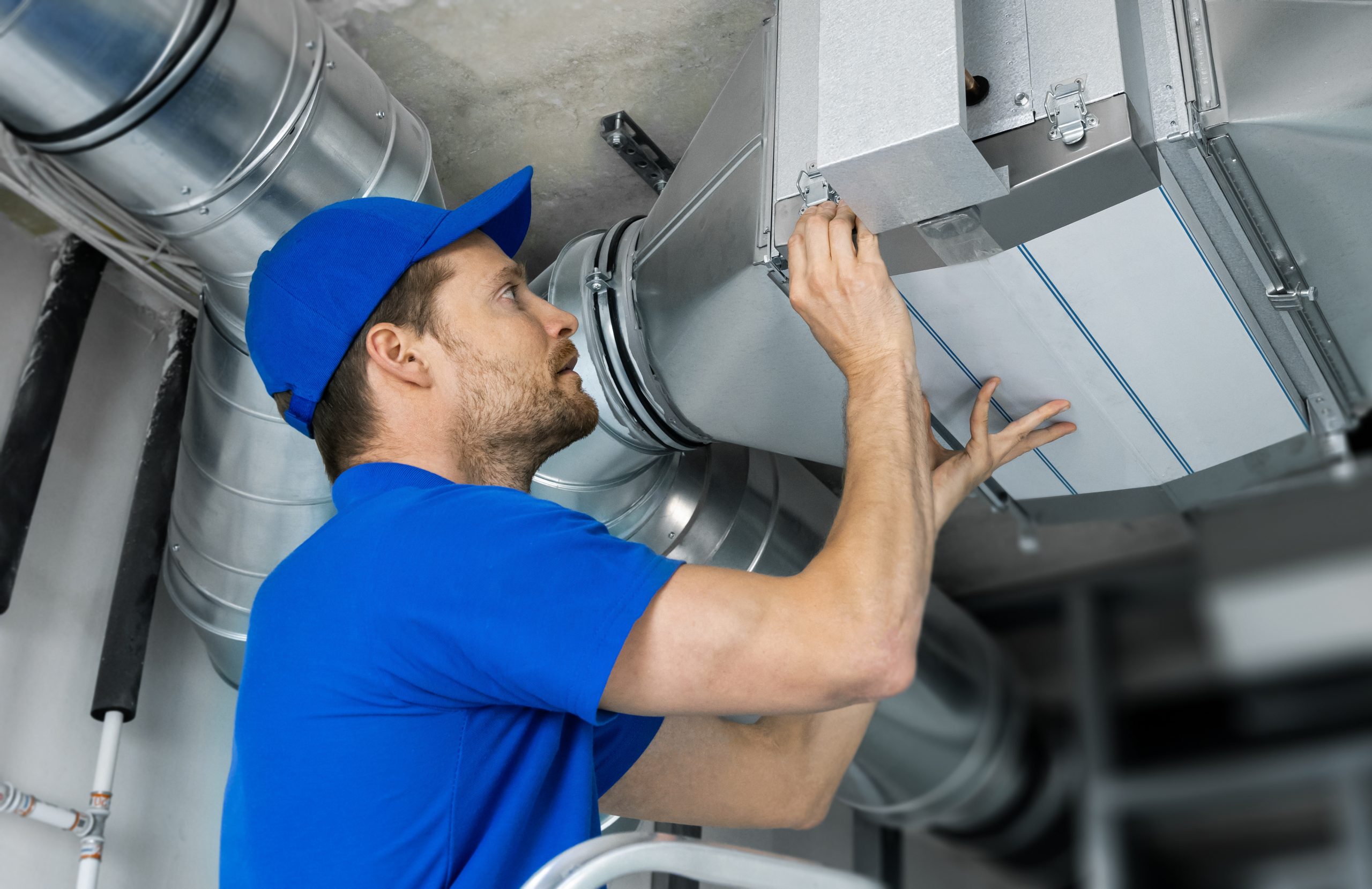
An a/c system, often considered the foundation of indoor environment control, contains numerous essential elements that work with each other to manage temperature and air quality. The main elements include the heating unit, ventilation system, and air conditioning system. The heating system, normally a furnace or boiler, generates heat during cooler months, while the air conditioning system cools interior spaces during the summer season.
Typical Heating And Cooling Problems Home Owners Encounter
Home owners commonly face numerous common HVAC issues, including inconsistent temperature level circulation throughout their home. Additionally, unusual sounds during procedure can indicate underlying problems that require interest. Addressing these problems quickly is vital for keeping ideal system efficiency.
Inconsistent Temperature Distribution
Many homes experience the discouraging problem of irregular temperature distribution, where particular areas feel annoyingly warm while others stay also cold. This issue often arises from a range of elements, consisting of bad insulation, obstructed vents, or a poorly sized HVAC system. When air ducts are not sufficiently sealed or when furniture obstructs air flow, some spaces might obtain not enough cooling. In addition, thermostat positioning can substantially influence temperature policy; a thermostat located in a sunlit area might misstate the total temperature level of the residence. Normal upkeep, consisting of cleansing filters and making certain ductwork is clear, can help relieve these disparities. Homeowners might additionally take into consideration zoning systems to much better control temperatures throughout different areas of the home, promoting an extra comfy living environment.
Uncommon Noises During Operation
When a HVAC system runs, uncommon sounds can suggest underlying concerns that call for interest. Home owners might encounter a series of sounds, such as grinding, squealing, or hissing. Grinding noises usually signify damaged bearings or parts, while squealing can recommend loosened belts or parts needing lubrication. Hissing might suggest a cooling agent leakage, which can endanger the system's efficiency. In addition, banging audios might indicate loose ductwork or a concern with the blower follower. Each of these sounds works as a caution, prompting house owners to explore further. Ignoring these indications can bring about even more significant issues and expensive repair services. Routine maintenance and punctual interest to uncommon sounds can improve system longevity and efficiency, ensuring a comfy living environment.
Indicators That Indicate Your A/c Demands Repair Service
Exactly how can one tell if their a/c unit requires repair service? A number of indicators might indicate underlying issues needing specialist interest. If the Air conditioner falls short to cool the room successfully, it may recommend a cooling agent leakage or compressor breakdown. Additionally, a rise in energy bills without corresponding use modifications can signify inadequacy in the system. House owners need to also be alert to uncommon scents originating from the system, which can indicate mold growth or electrical concerns. Moreover, if the a/c often cycles on and off, it could be a sign of a damaged thermostat or other mechanical troubles. Lastly, the presence of water pooling around the device can show a blocked drain line. Acknowledging these indicators early can conserve time and cash, making certain that the cooling system operates efficiently and effectively.
DIY Troubleshooting Techniques for HVAC Issues
When encountering HVAC concerns, homeowners can employ numerous do it yourself fixing techniques to recognize the problem. Key techniques include checking thermostat settings, evaluating air filters, and assessing drain issues. These actions can help determine usual breakdowns prior to seeking specialist help.
Inspecting Thermostat Setups
What actions should property owners require to ensure their thermostat settings are appropriate? They ought to verify the thermostat is established to the preferred temperature and setting, whether heating or air conditioning. Looking for a clear screen and confirming the thermostat is not established to "hold" or "holiday" setting is necessary. Home owners need to also confirm that the thermostat is degree and installed in a place without drafts, straight sunlight, or various other temperature affects. Furthermore, rectifying the thermostat can assist give exact analyses. If the thermostat operates batteries, changing them might settle any type of problems. By systematically evaluating these aspects, property owners can typically identify and correct thermostat-related troubles, promoting excellent HVAC system performance.
Inspecting Air Filters
Air filters play a necessary function in preserving ideal cooling and heating efficiency. They trap dust, irritants, and other particles, ensuring clean air circulation. In time, filters can end up being clogged, decreasing airflow and performance. To inspect air filters, people ought to initially find the filter, often discovered in the return air duct what does hvac or near the heating system. When situated, they ought to review the filter's condition-- if it shows up unclean or discolored, it likely demands replacement. Most filters require altering every 1-3 months, relying on use and ecological elements. Normal examination and timely replacement of air filters not only enhance air top quality but official site additionally lengthen the life-span of cooling and heating systems, stopping possible breakdowns and expensive repairs.
Evaluating Drainage Issues
Exactly how can property owners efficiently identify and attend to drain issues within their heating and cooling systems? First, they should inspect the condensate drain line for obstructions or clogs, which can bring about water accumulation. Property owners might make use of a wet/dry vacuum to get rid of any kind of debris obstructing the line. Next, checking the drainpipe frying pan for rust or leakages is necessary, as a damaged frying pan can trigger water to overflow. Regular cleansing of the drainpipe line with a combination of vinegar and water assists stop future blockages. In addition, making certain proper incline of the drainpipe line promotes efficient water flow. If these do it yourself techniques do not resolve the concern, seeking advice from a professional cooling and heating specialist might be essential to stay clear of potential water damages and system failure.
When to Call a Professional for Air Conditioning Fixings

While some a/c problems can be taken care of via DIY methods, there are circumstances where calling a professional becomes important. Homeowners need to look for experienced support when they run into relentless problems, such as inadequate cooling, odd sounds, or uncommon odors emanating from the system. These symptoms might suggest much deeper issues that require specialized understanding and tools to diagnose and repair properly.

Preventative Upkeep Tips for Cooling And Heating Longevity
Regular preventative upkeep can visit this site significantly improve the longevity of a/c systems. House owners ought to arrange annual examinations by qualified service technicians to examine system effectiveness and recognize potential issues. Routinely altering or cleaning up air filters is necessary, as this guarantees proper airflow and minimizes stress on the system. In enhancement, inspecting and securing ductwork protects against energy loss and boosts total efficiency.
It is likewise suggested to maintain the outdoor unit clear of debris and plants, enabling peak air flow and warm exchange. Homeowners should inspect the condensate drainpipe for obstructions to stay clear of water damages and mold and mildew growth. Preserving suitable thermostat settings and making use of programmable alternatives can boost power performance. Ultimately, documenting upkeep tasks assists track service history and can aid in determining persisting concerns (HVAC contractor). By complying with these preventative steps, people can optimize the effectiveness and life-span of their cooling and heating systems
Regularly Asked Concerns
Just how Typically Should I Change My HVAC System Filters?
A/c system filters should usually be replaced every one to 3 months, relying on usage, filter type, and ecological variables. Regular substitute helps keep effectiveness and air top quality, making certain peak system performance throughout the year.
What Size A/c System Do I Required for My Home?
To determine the suitable a/c system dimension for a home, one must consider square video footage, insulation high quality, and neighborhood environment. Consulting a professional can assist ensure optimal performance and convenience for the details living room.
Exist Eco-Friendly HVAC Options Available?
Yes, environmentally friendly a/c options are readily available, including energy-efficient heat pumps, solar-powered systems, and geothermal home heating. These alternatives reduce power usage and environmental impact, advertising sustainability while preserving reliable environment control for property and commercial spaces.
Just How Can I Enhance My HVAC System's Power Effectiveness?
To improve a/c energy effectiveness, one can routinely maintain the system, seal air leakages, mount programmable thermostats, utilize energy-efficient filters, and assurance sufficient insulation throughout the home to reduce power intake and improve efficiency.
What Is the Typical Life-span of a HVAC System?
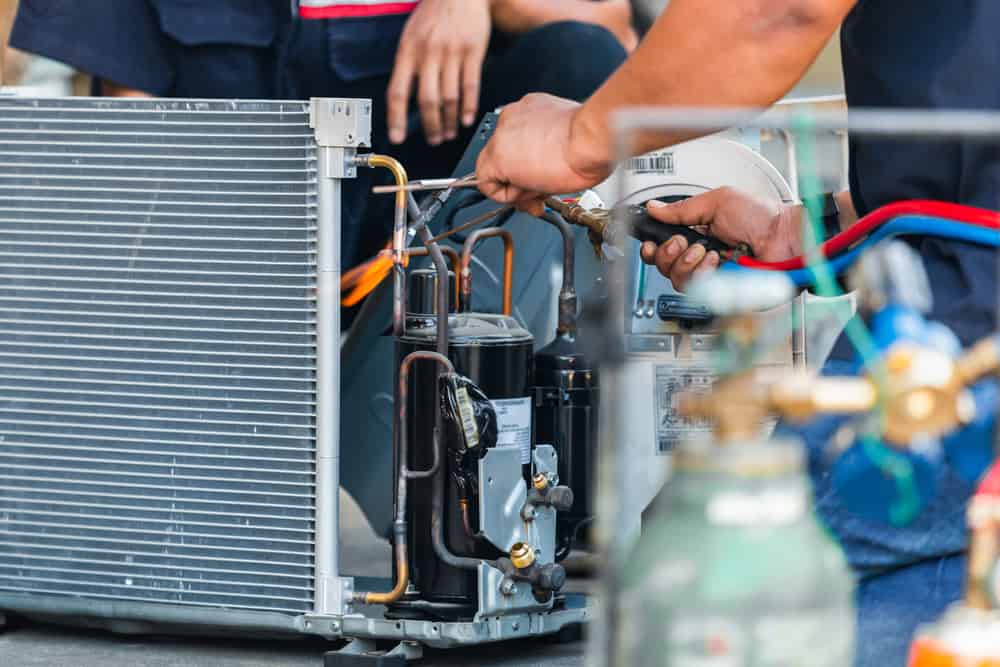
The typical lifespan of a HVAC system normally ranges from 15 to 25 years, depending upon variables such as maintenance, usage, and the top quality of installation. Routine maintenance can considerably expand its functional long life.
Final thought
In summary, a complete understanding of a/c systems equips house owners to determine common issues and address small issues efficiently. Recognizing indicators of breakdown, utilizing DIY repairing strategies, and prioritizing regular upkeep can improve system performance and performance. When encountered with complicated repairs, getting professional aid is vital to ensure safety and durability. By fostering recognition and proactive treatment, individuals can appreciate a comfortable interior atmosphere while minimizing unforeseen costs connected with heating and cooling failings.
Comments on “Fix broken Air conditioner or replace it? How to decide”